
Silicone-insulated cables: compatibility and BOM checklist
Set fine-stranded silicone lead against a stiffer cable side by side, verify conductor area, length, insulation and terminal fit, then confirm the connector on the BOM.
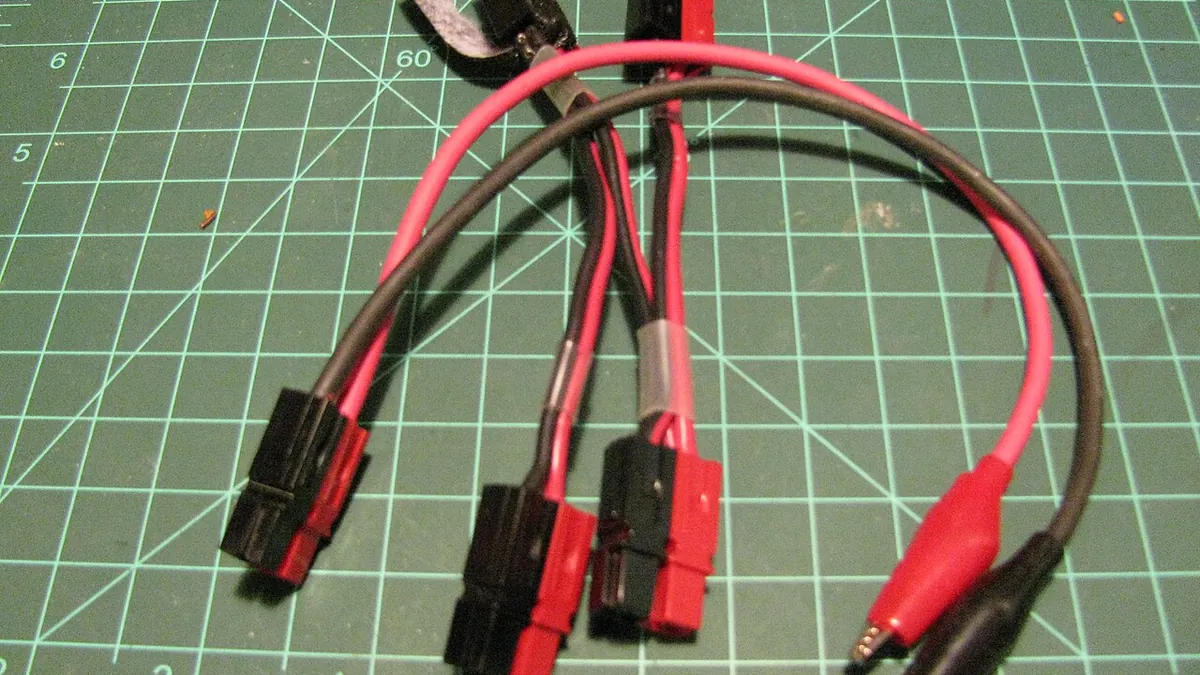

Use this checklist when selecting parts for a flexible power harness, with particular attention to silicone-insulated cables. It keeps a sample, approved BOM and repeat order aligned. A longer harness changes resistance and voltage drop, while flexibility affects routing and strain relief.
Step 1: Freeze the application
State what a flexible power harness must achieve, including load, space, mounting, environment and maintenance. Identify who will approve the design. A longer harness changes resistance and voltage drop, while flexibility affects routing and strain relief. A clear application brief prevents the quote from being driven by an attractive photograph or a single headline figure.
Step 2: Collect exact model data
For each candidate, collect the full maker model, product revision and the current datasheet or drawing. Extract conductor area, length, insulation and terminal fit; include units and test conditions where applicable. Keep the source next to the line item. If a required detail is absent, mark the item 'needs clarification' rather than approving it by assumption.
Specification check at a glance
- Compare fine-stranded silicone lead against a stiffer cable in the same application.
- Conductor area: record the exact model-specific detail and its source; include a unit, drawing or test condition where that field needs one.
- Length: record the exact model-specific detail and its source; include a unit, drawing or test condition where that field needs one.
- Insulation: record the exact model-specific detail and its source; include a unit, drawing or test condition where that field needs one.
- Terminal fit: record the exact model-specific detail and its source; include a unit, drawing or test condition where that field needs one.
- Confirm the connector and the exact mating or mounting details.
Step 3: Map interfaces
Draw the connection between silicone-insulated cables, the connector and neighbouring parts. Record mating halves, orientation, leads, fasteners, protective elements and service access. Specify conductor cross-section, actual route length, jacket requirement and both terminal ends before comparing cable offers. Confirm that any accessory pictured online is actually in the quoted supply.
Step 4: Compare candidate parts
Compare fine-stranded silicone lead against a stiffer cable with the same criteria and the same revision of the application brief. Note fit, documentation, availability and any change to other BOM lines. Conductor selection and termination belong to one harness calculation. Route length, current, voltage drop, insulation, terminal barrels and strain relief should be reviewed together, then checked against the relevant maker's assembly instructions. A different headline price may conceal additional connector, tooling or enclosure work.
Step 5: Inspect a sample
When a sample arrives, match the marked part and supplied accessories to the approved model. Inspect dimensions and fit against the drawing without energising an unreviewed assembly. Log deviations and obtain technical approval before using the sample to define a repeat purchase.
Step 6: Release the BOM
Avoid choosing gauge without accounting for the whole cable run. Freeze the accepted model, quantity, unit and substitute rule in a revisioned BOM. Attach the maker document and drawing reference. Any later change to chemistry, material, termination or form factor should reopen the affected design checks.
Review questions
- Which exact manufacturer model, document revision and Buyer World SKU identify the candidate?
- What evidence confirms conductor area, length, insulation and terminal fit for the quoted model?
- Does the quote include connector, or must it be listed as a separate BOM line?
- What drawing or mating-part reference supports fit in a flexible power harness?
- Who will review any substitution before the first sample and the repeat order?
Before production
Browse the linked Buyer World product cards for candidates and current availability, then close the open evidence items with the manufacturer and project reviewer. A complete checklist helps purchasing follow a sound engineering decision; it does not replace one.
Products to compare
These are starting points. Confirm the exact model, ratings and mating parts against your project requirements.
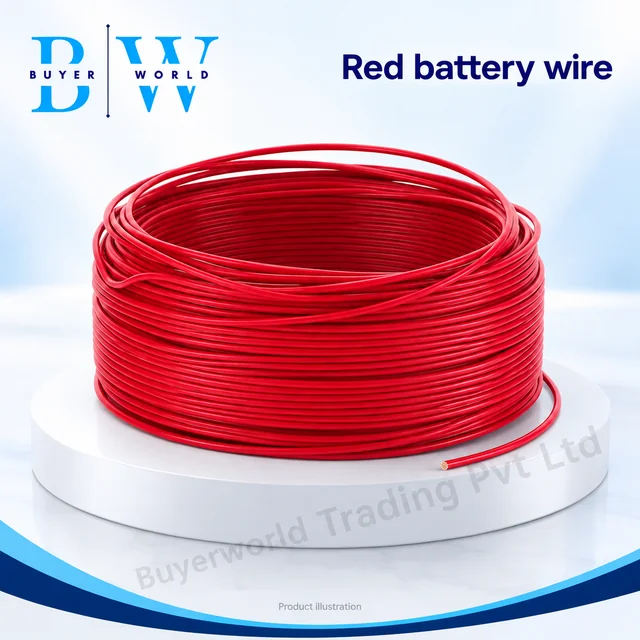
4 SQMM Red 100 m — Battery DC Wire. Sold by Buyer World in metre units; minimum order 100. Match the model, dimensions and electrical ratings to your application before ordering.
View full specifications & documents →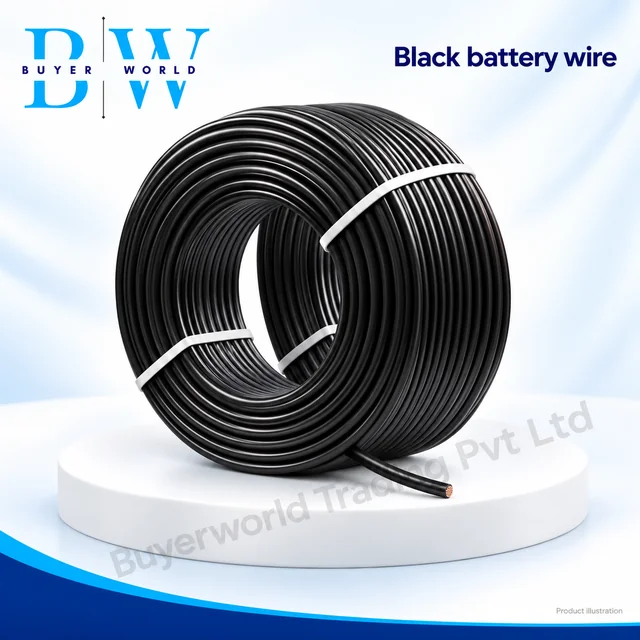
6 SQMM Black 100 m — Battery DC Wire. Sold by Buyer World in metre units; minimum order 100. Match the model, dimensions and electrical ratings to your application before ordering.
View full specifications & documents →Battery Voltage 7/36 Black 500 m — Wire. Sold by Buyer World in metre units; minimum order 500. Match the model, dimensions and electrical ratings to your application before ordering.
View full specifications & documents →