

A buyer's guide to battery shipment planning
Learn how battery chemistry, shipment form, route and carrier acceptance shape a dispatch plan. Collect the right evidence before quoting delivery.
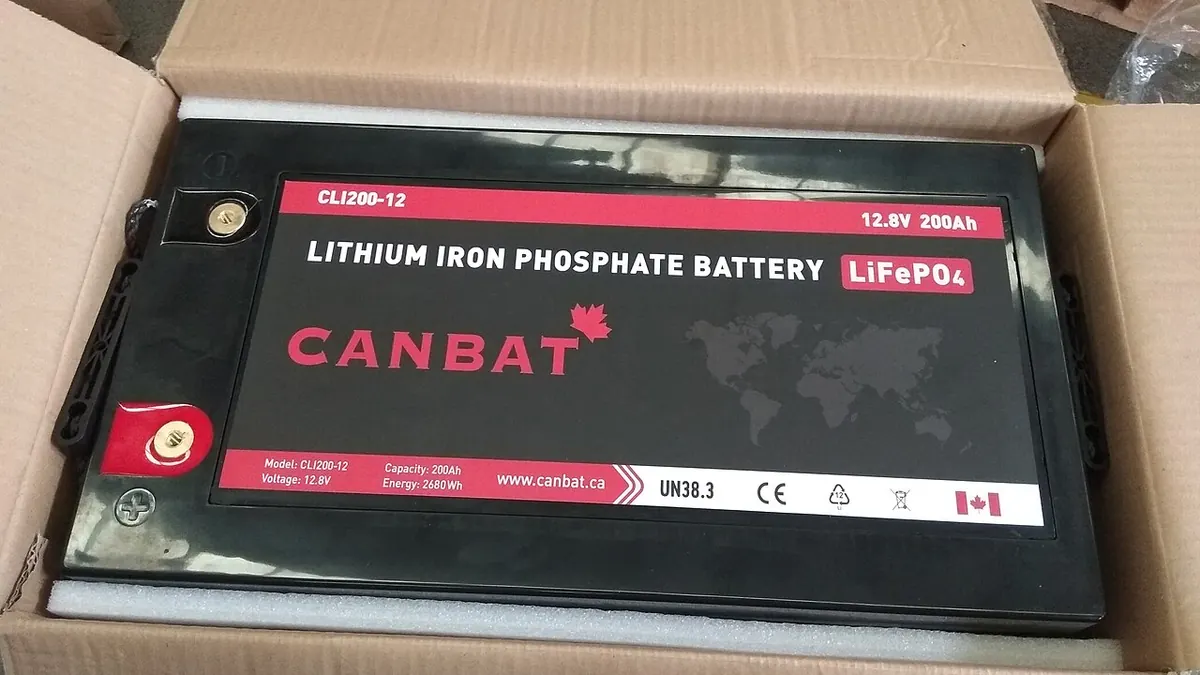

Shipping a battery is not the same as shipping an ordinary electronic component. The acceptable service depends on the exact chemistry, the battery's form, its relationship to equipment, its condition, packaging and the planned route. This guide shows how to collect the facts a carrier needs before a delivery promise is made; it does not replace the current carrier instructions or a trained shipper's classification.
Identify the battery and shipment form
Get the exact model and maker document. Record chemistry, whether it is a cell or pack, and whether it will be shipped alone, packed with equipment or installed in equipment. Confirm the item is new and undamaged; damaged or recalled batteries need a separate specialist process. Do not infer any of these facts from a marketing image or the outside of a carton.
Check the current route and carrier service
Write down origin, destination, transport mode and the carrier service proposed. Ask the carrier whether that service accepts the exact battery configuration. An answer for one route or mode does not automatically apply to another. Do not promise a delivery date until acceptance and the required handling steps are confirmed in writing.
Collect the documents a shipper may need
Keep the exact product identification and manufacturer transport information with the order. The trained shipper should decide which test summary, classification, packaging instruction, declaration, mark or label applies. The current IATA guidance is a useful primary reference for air transport; the responsible shipper must also follow the current rules for the chosen route and mode.
Plan packaging around the actual article
Packaging must protect against movement, damage and accidental contact or activation as required for the applicable shipment. Do not assume that a normal e-commerce carton or a supplier's display box is suitable. The trained shipper and carrier should approve the final pack-out, quantities and markings before collection.
Put accurate facts in the order handoff
The sales order should identify the exact battery SKU, quantity, product form and delivery address. The dispatch record should carry the approved carrier service and the documents or instructions used for that consignment. If a substitute battery is supplied, repeat the transport review; the original decision may not transfer to the new model.
Handle exceptions before collection
Pause dispatch when chemistry is unknown, packaging is damaged, the product condition is in doubt, a document belongs to another model, or the carrier has not accepted the service. Escalate to the trained shipping owner. A customer should receive a realistic status update rather than a tracking promise for an unaccepted parcel.
Questions for the shipping owner
- What exact cell, pack or equipment model is in the parcel, and in what condition?
- Is it shipped alone, with equipment or installed in equipment?
- Which current transport mode, route and carrier service have been confirmed?
- What classification, packaging, marking and documentation does the responsible shipper require?
- Who signs off the final pack-out and what happens if the carrier declines it?
A practical Buyer World workflow
Start with the linked product's exact model and current specification. Obtain the manufacturer's relevant transport information, then have a trained shipper apply the current rules and confirm carrier acceptance for the destination. Only after that should dispatch and delivery timing be communicated. This article is a planning aid; it does not state that any individual listed battery is approved for a particular route.
Products to compare
These are starting points. Confirm the exact model, ratings and mating parts against your project requirements.
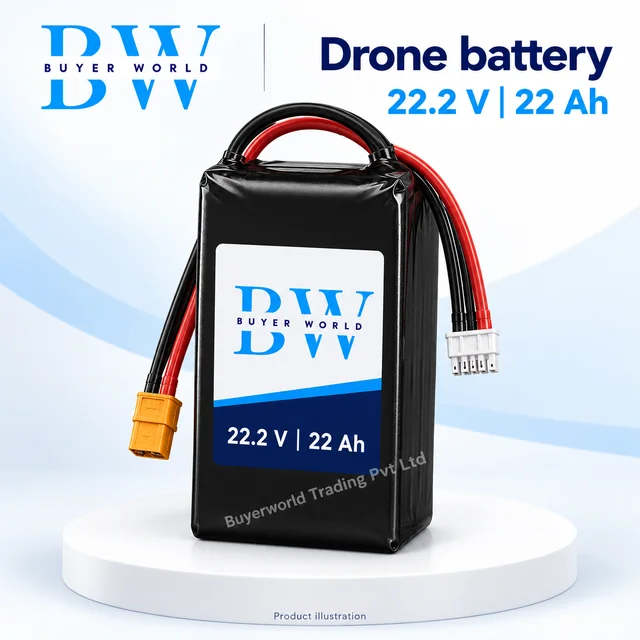
22.2V 22 Ah 6S for Drone — Battery Pack
22.2V 22 Ah 6S for Drone — Battery Pack. Sold by Buyer World in piece units; minimum order 1. Match the model, dimensions and electrical ratings to your application before ordering.
View full specifications & documents →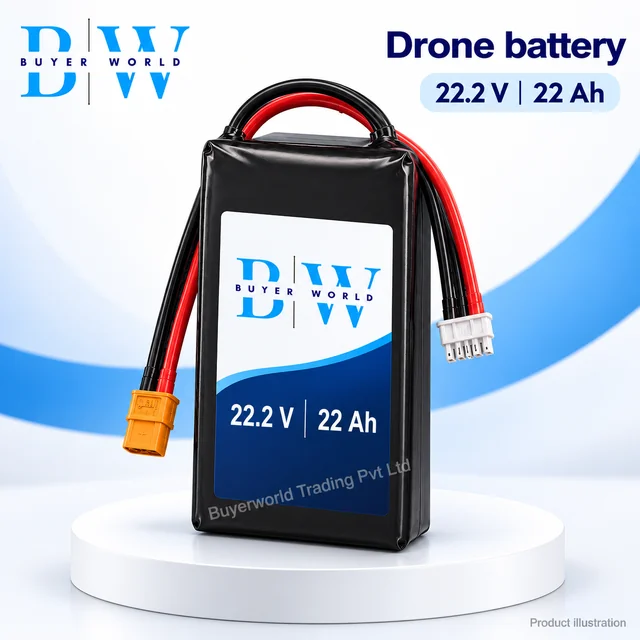
22.2V 22 Ah(6S 22 Ah Solid State Battery) — Battery Pack
22.2V 22 Ah(6S 22 Ah Solid State Battery) — Battery Pack. Sold by Buyer World in piece units; minimum order 1. Match the model, dimensions and electrical ratings to your application before ordering.
View full specifications & documents →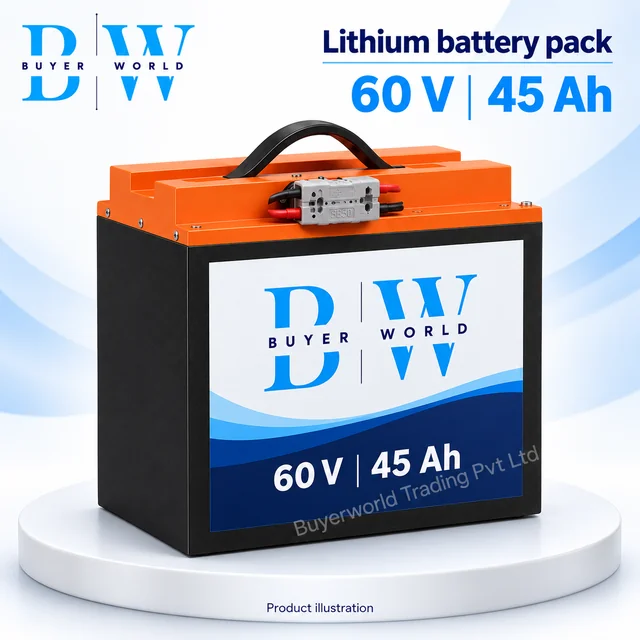
60V 45 Ah — Battery Pack. Sold by Buyer World in piece units; minimum order 1. Match the model, dimensions and electrical ratings to your application before ordering.
View full specifications & documents →