

Battery systems for inverters: specifications and drawings
Read the battery systems for inverters specification beyond its headline: check battery chemistry, voltage window, inverter input and service access and the exact model drawing.
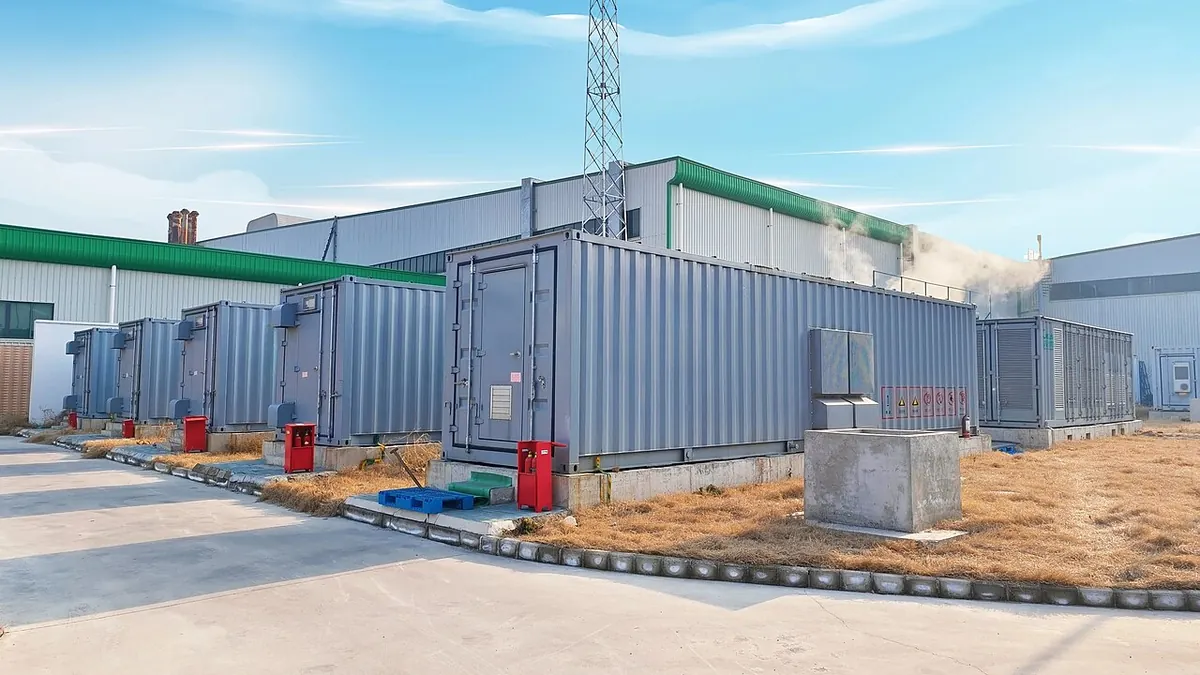

A useful specification for battery systems for inverters is more than a headline number. It explains the model, operating condition, drawing and connected parts so a designer can verify the decision. Inverters have an input operating window; batteries have a changing voltage during charge and discharge. Their nominal labels are only the starting point.
What this component does
In a small solar-backup setup, a decision about battery systems for inverters affects a wider assembly. The specification must therefore describe both the item and the interfaces where it joins the system. Begin by identifying the actual model rather than treating all products in the category as identical.
Specification terms to verify
The fields to explain are battery chemistry, voltage window, inverter input and service access. Record the model-specific detail and its source for each field; include a value, unit, drawing or test condition when relevant. A label such as 'high current' or 'compact' cannot stand in for a number or dimension. When information is absent from the product page, request the exact maker document.
Specification check at a glance
- Compare separate battery and inverter against integrated unit in the same application.
- Battery chemistry: record the exact model-specific detail and its source; include a unit, drawing or test condition where that field needs one.
- Voltage window: record the exact model-specific detail and its source; include a unit, drawing or test condition where that field needs one.
- Inverter input: record the exact model-specific detail and its source; include a unit, drawing or test condition where that field needs one.
- Service access: record the exact model-specific detail and its source; include a unit, drawing or test condition where that field needs one.
- Confirm the ESS BMS and the exact mating or mounting details.
Read the drawing and test conditions
Read dimensional drawings at the same time as electrical or material data. Check holes, contacts, cable exit, orientation and the clearance needed to assemble and service the part. Compare both manuals, the expected low/high operating limits, connection method and any required communications before approval. Do not copy a dimension from a photograph or assume a drawing for another size is interchangeable.
How related parts affect the rating
A component's quoted rating may rely on a particular termination, environment or companion part. For battery systems for inverters, check the ESS BMS and the adjoining assembly. For a battery assembly, keep charging, discharge load, protection, connector and mechanical fit in one review. Cell or pack figures are meaningful only with the maker's test conditions. The final pack design and installation need competent electrical review; a category page cannot certify a system. This matters especially when a change to one item would require a new mating part, charger, protection setting or enclosure layout.
A worked comparison method
Create a small comparison sheet with candidate model, manufacturer, revision, battery chemistry, voltage window, inverter input and service access, physical interface, documentation status and known gaps. Compare separate battery and inverter against integrated unit under the same use case. Mark 'not supplied' for missing evidence; it is more honest than filling a blank with a typical industry value.
Evidence to keep
Keep a copy or link to the maker file, the dimensioned drawing, any sample inspection and the approved BOM revision. Record which claims were checked and which remain open. The live Buyer World card shows current commercial details; the maker document is needed for design limits and test conditions.
Questions to ask
- Which exact manufacturer model, document revision and Buyer World SKU identify the candidate?
- What evidence confirms battery chemistry, voltage window, inverter input and service access for the quoted model?
- Does the quote include ESS BMS, or must it be listed as a separate BOM line?
- What drawing or mating-part reference supports fit in a small solar-backup setup?
- Who will review any substitution before the first sample and the repeat order?
Use the data in a real design
Use this explanation to discuss battery systems for inverters with the project designer and supplier. Select the part only when the exact model, its ESS BMS, physical fit and relevant limits are all documented. A general guide cannot certify a specific product or installation.
Products to compare
These are starting points. Confirm the exact model, ratings and mating parts against your project requirements.
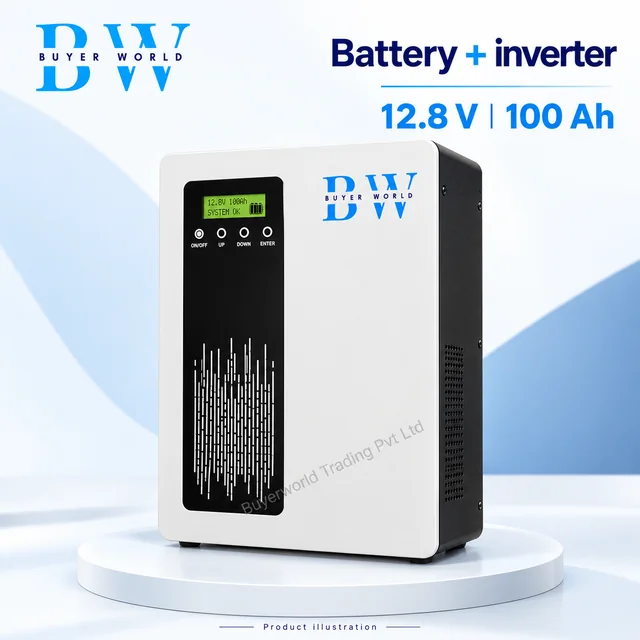
Inverter with LFP 12.8V 100 Ah — Battery Pack
Inverter with LFP 12.8V 100 Ah — Battery Pack. Sold by Buyer World in piece units; minimum order 1. Match the model, dimensions and electrical ratings to your application before ordering.
View full specifications & documents →