

Battery chemistry selection: purchase questions to resolve
For a pack specification at concept stage, document manufacturer voltage window, size and required energy and the matching BMS. Avoid assuming chemistry can be changed without redesigning charging and protection.
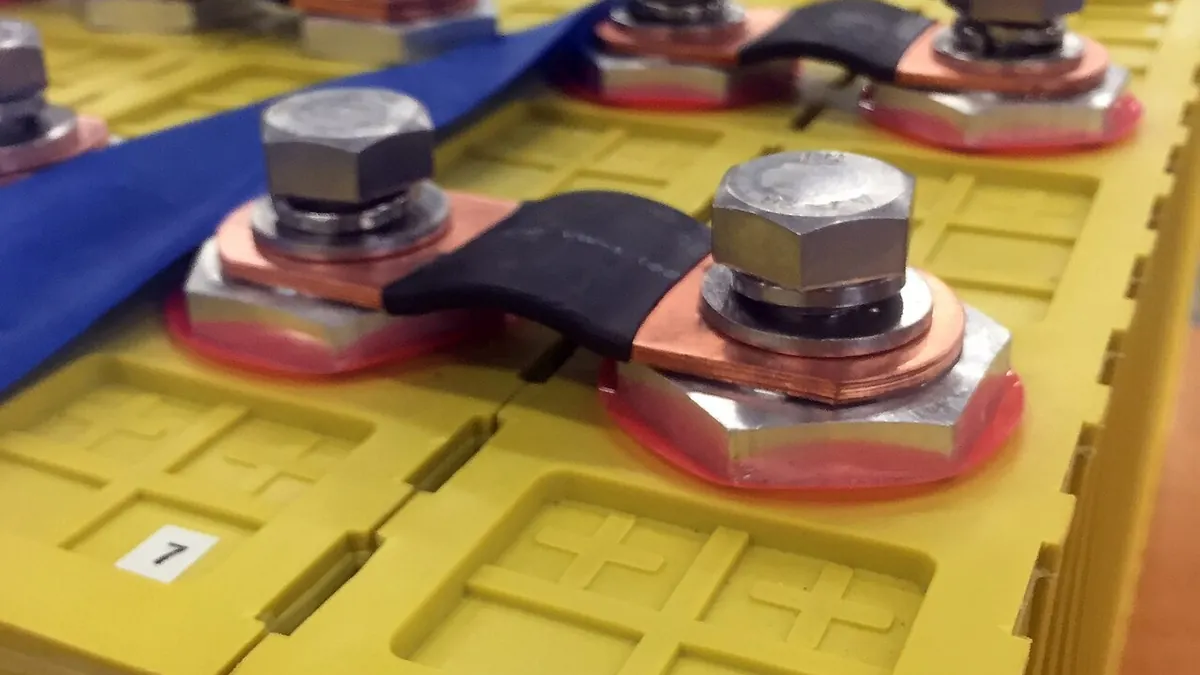

Two listings in the battery chemistry selection category can hide different interfaces, materials or conditions. For a pack specification at concept stage, the purchase order should identify exactly what will arrive and what must connect to it. LFP and NMC bring different cell voltage windows and packaging options, so swapping chemistry also changes the charger and protection design.
What the quote must identify
A useful line item names the exact model, Buyer World SKU, quantity, unit, accepted revision and any separate BMS. Add a drawing or datasheet reference if the part's geometry or setting is critical. For a pack specification at concept stage, a broad category name is not enough to prevent a substitution.
Compare offers on the same basis
Put LFP against NMC in the same application on one comparison sheet for the same project brief. Ask each supplier to state manufacturer voltage window, size and required energy and whether the item includes its mating, fastening or setup accessories. Where figures are expressed under different test conditions, do not rank them as directly equivalent until those conditions are reconciled.
Specification check at a glance
- Compare LFP against NMC in the same application in the same application.
- Manufacturer voltage window: record the exact model-specific detail and its source; include a unit, drawing or test condition where that field needs one.
- Size: record the exact model-specific detail and its source; include a unit, drawing or test condition where that field needs one.
- Required energy: record the exact model-specific detail and its source; include a unit, drawing or test condition where that field needs one.
- Confirm the BMS and the exact mating or mounting details.
Inspect the model document
Match the maker name, full model string and revision to the quoted part. Check units, tolerances, footnotes and the exact drawing. Compare manufacturer data for the actual cell models and the required system energy, dimensions and operating environment. For a battery assembly, keep charging, discharge load, protection, connector and mechanical fit in one review. Cell or pack figures are meaningful only with the maker's test conditions. The final pack design and installation need competent electrical review; a category page cannot certify a system. If an uploaded PDF belongs to a neighbouring variant, request the correct file before approval.
Check the complete assembly
Trace the interfaces from battery chemistry selection to the BMS, mounting surface and cable or cell assembly. A part can pass its own specification yet fail the project because the mating half, lead exit, hole pattern or service access is missing. List every separately purchased item on the BOM.
Sample and receiving checks
On receiving a sample, compare the marked model, visible dimensions and supplied accessories with the approved record. Record any mismatch rather than forcing the part into an assembly. This is a purchasing check, not a substitute for electrical or transport testing by a qualified team.
Control substitutions
Avoid assuming chemistry can be changed without redesigning charging and protection. If a vendor suggests another part, record the proposed new model and recheck the same technical and fit fields. Approve a substitute through a named reviewer and issue a new BOM revision; do not let an informal email become the production specification.
Questions for the purchasing team
- Which exact manufacturer model, document revision and Buyer World SKU identify the candidate?
- What evidence confirms manufacturer voltage window, size and required energy for the quoted model?
- Does the quote include BMS, or must it be listed as a separate BOM line?
- What drawing or mating-part reference supports fit in a pack specification at concept stage?
- Who will review any substitution before the first sample and the repeat order?
Order with a clear record
Use the related catalogue cards to identify available candidates. Request missing documentation before committing to quantities. Keep the quote, model file, sample inspection and approved revision together so the next purchase repeats the intended build.
Products to compare
These are starting points. Confirm the exact model, ratings and mating parts against your project requirements.
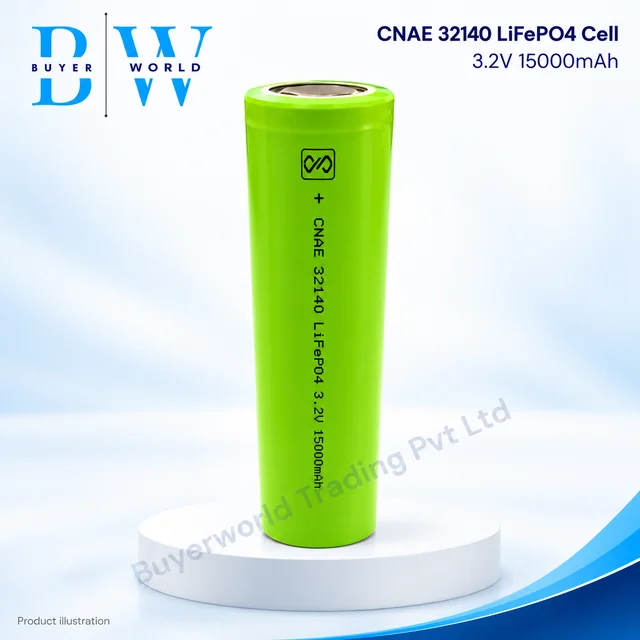
CNAE 32140 LiFePO4 3.2V 15000 mAh ESS A Grade — Lithium-ion Rechargeable Cell
CNAE 32140 LiFePO4 3.2V 15000 mAh ESS A Grade — Lithium-ion Rechargeable Cell. Sold by Buyer World in piece units; minimum order 40. Match the model, dimensions and electrical ratings to your application before ordering.
View full specifications & documents →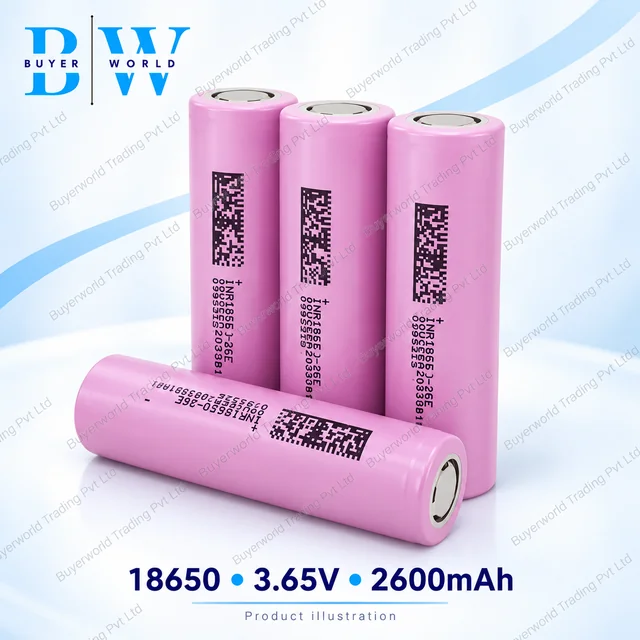
DMEGC 18650 3.65V 2600 mAh Ev Grade — Cylindrical Lithium-ion Cell
DMEGC 18650 3.65V 2600 mAh Ev Grade — Cylindrical Lithium-ion Cell. Sold by Buyer World in piece units; minimum order 200. Match the model, dimensions and electrical ratings to your application before ordering.
View full specifications & documents →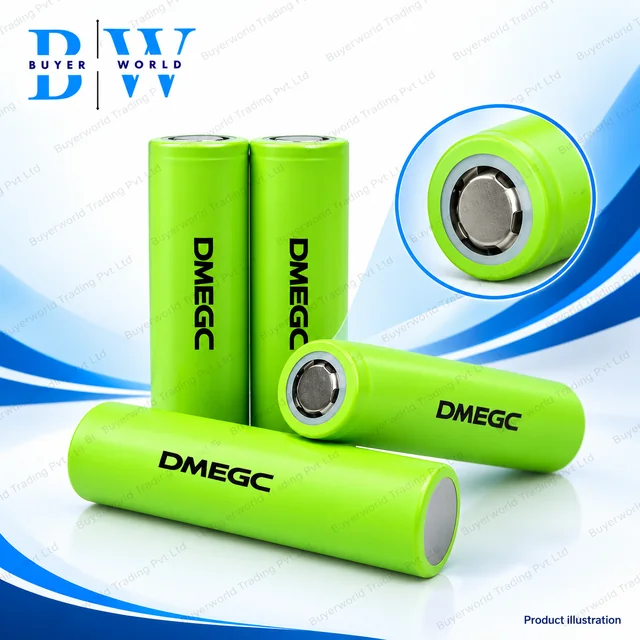
DMEGC 18650 3.65V 2900 mAh Ev Grade — Cylindrical Lithium-ion Cell. Sold by Buyer World in piece units; minimum order 200. Match the model, dimensions and electrical ratings to your application before ordering.
View full specifications & documents →