

A buyer's guide to battery bus bars
A conductor with apparently suitable width can still miss the terminal centres or leave insufficient clearance at a bend. Compare material, cross-section, hole spacing and insulation clearance before shortlisting a part.
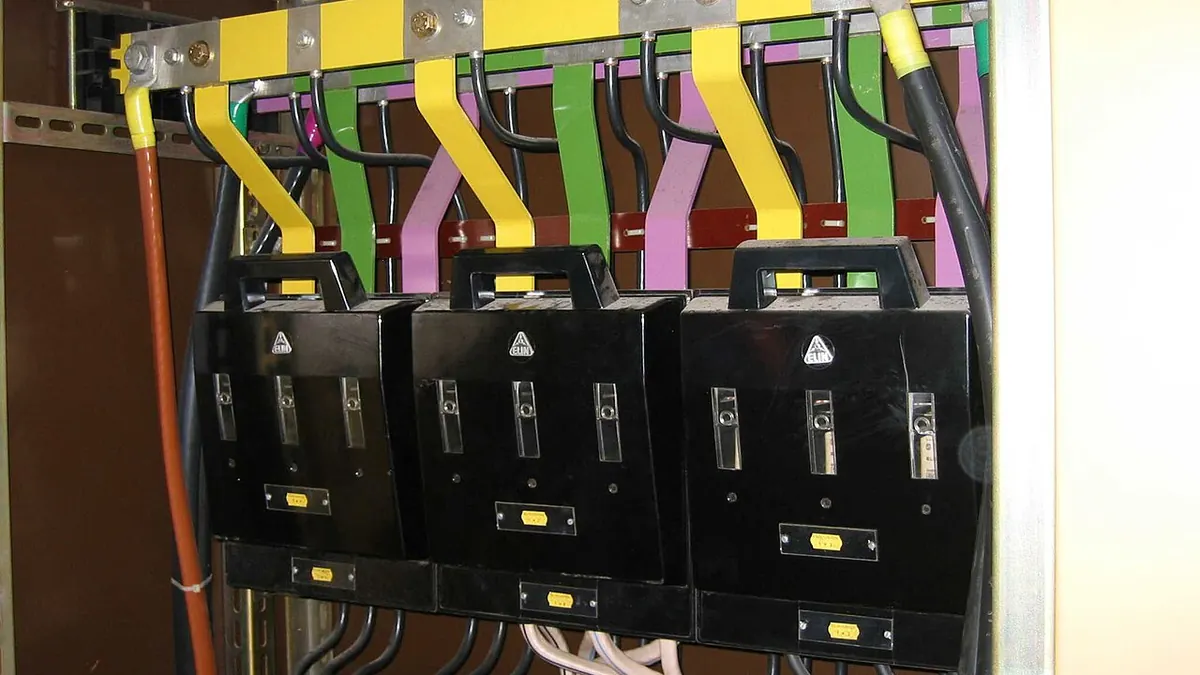

Choosing parts for a multi-cell pack or distribution assembly is a system decision, not a product-photo decision. This guide focuses on battery bus bars. Bus bars carry current through a specific geometry and joint pattern; the bends, holes and insulation matter alongside material and cross-section. The goal is a shortlist that can be checked against actual project needs and current model documents.
Define the working requirement
Write down the load, installation envelope, environment and service needs before opening a catalogue. For battery bus bars, compare pre-cut conductor against a custom bus-bar layout. Decide which dimensions or electrical limits are fixed, and which can be negotiated. Compare a dimensioned layout against actual terminal centres and verify fastener access and separation from neighbouring metal.
Read the technical data
For every shortlisted model, record material, cross-section, hole spacing and insulation clearance. Use the maker's current datasheet or drawing, not a value from a nearby variant. Material identity, thickness, cut geometry and environment matter more than a generic product name. Ask for the technical document and a dimensioned drawing where a part acts as an electrical barrier, conductor or mounting element. If the listing omits a field, request it rather than treating an empty specification as approval.
Specification check at a glance
- Compare pre-cut conductor against a custom bus-bar layout in the same application.
- Material: record the exact model-specific detail and its source; include a unit, drawing or test condition where that field needs one.
- Cross-section: record the exact model-specific detail and its source; include a unit, drawing or test condition where that field needs one.
- Hole spacing: record the exact model-specific detail and its source; include a unit, drawing or test condition where that field needs one.
- Insulation clearance: record the exact model-specific detail and its source; include a unit, drawing or test condition where that field needs one.
- Confirm the nickel strip and the exact mating or mounting details.
Compare the alternatives
Place pre-cut conductor against a custom bus-bar layout side by side using the same application and units. A cheaper or larger-looking option is only useful if it meets the entire requirement. Note which candidate needs another component, different mounting or a revised connector. Capture those changes in the comparison table and the total assembly cost.
Check interfaces and fit
Locate the nickel strip and other adjoining parts in the real assembly. Check mating geometry, available clearance and the way the part is mounted, disconnected and serviced. Compare a dimensioned layout against actual terminal centres and verify fastener access and separation from neighbouring metal. A photograph can help identify a family, but it cannot verify the hidden pinout, material or tolerances.
Common mistakes
One avoidable error is copying a hole pattern without checking the actual terminals. Also avoid carrying a rating from a different model into this decision or assuming the pictured accessories are included. If a key value has no source, mark it open and resolve it before ordering a production quantity.
What to request from the supplier
Send the supplier the intended application, quantity, target delivery location, required documents and the current drawing or part reference. Ask for the exact proposed model and any alternatives as separate quote lines. Record whether the quote includes nickel strip, what is optional and which interface requires confirmation.
Questions before you order
- Which exact manufacturer model, document revision and Buyer World SKU identify the candidate?
- What evidence confirms material, cross-section, hole spacing and insulation clearance for the quoted model?
- Does the quote include nickel strip, or must it be listed as a separate BOM line?
- What drawing or mating-part reference supports fit in a multi-cell pack or distribution assembly?
- Who will review any substitution before the first sample and the repeat order?
Practical next step
Open the linked product cards as candidates, then compare their live prices and availability with the exact documents. Buyer World can provide a starting shortlist and quotation; final compatibility and installation remain project-specific. Keep the approved model and revision on the BOM for repeat orders.
Products to compare
These are starting points. Confirm the exact model, ratings and mating parts against your project requirements.
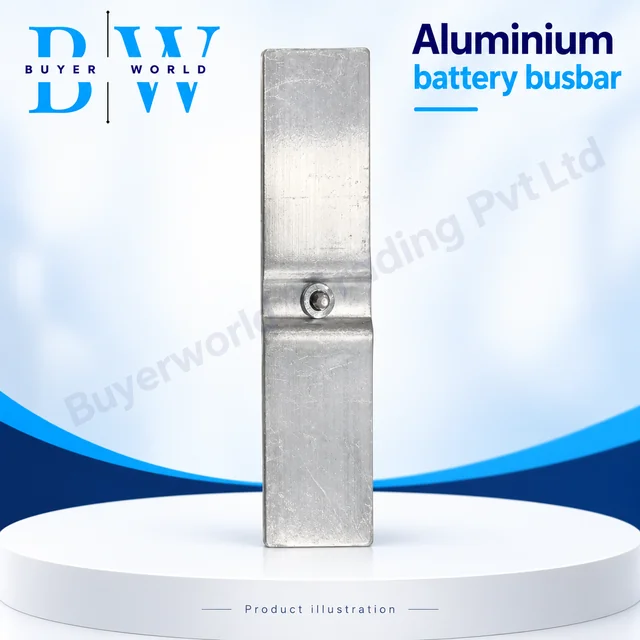
100 × 25 × 2 mm Clinch — Aluminium Bus Bar. Sold by Buyer World in piece units; minimum order 25. Match the model, dimensions and electrical ratings to your application before ordering.
View full specifications & documents →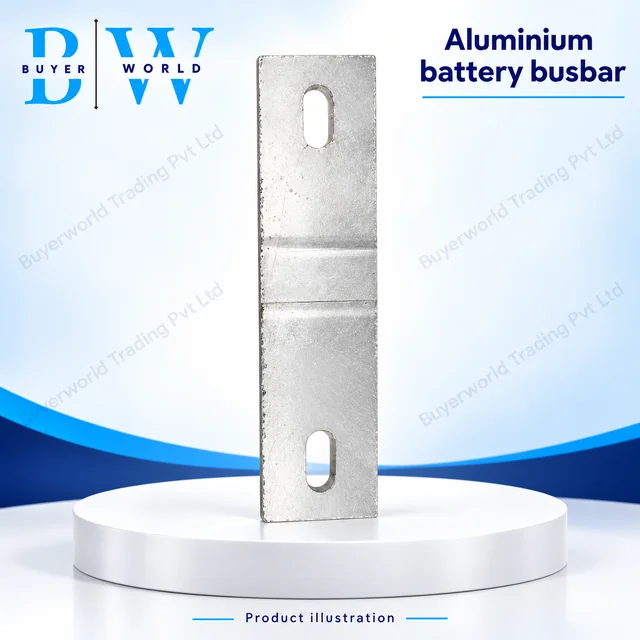
100 × 30 × 3 mm — Aluminium Bus Bar. Sold by Buyer World in piece units; minimum order 25. Match the model, dimensions and electrical ratings to your application before ordering.
View full specifications & documents →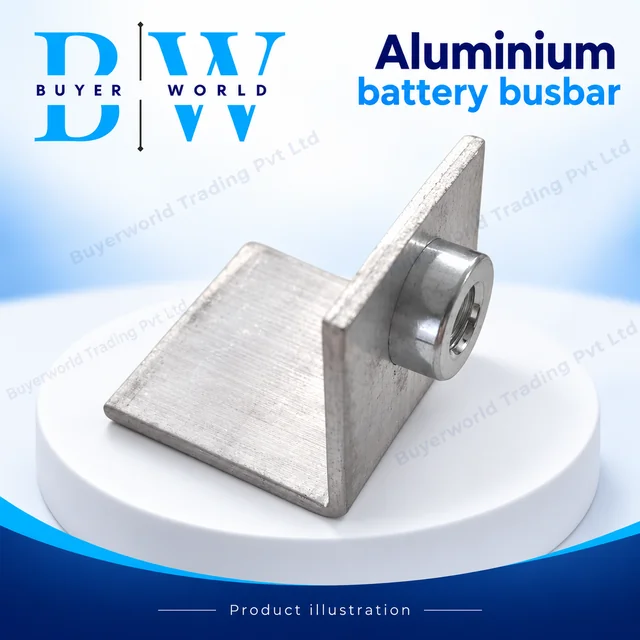
25 × 25 × 2 L Type — Aluminium Bus Bar. Sold by Buyer World in piece units; minimum order 25. Match the model, dimensions and electrical ratings to your application before ordering.
View full specifications & documents →